
Our Topics
We’ve covered a wide variety of literacy topics throughout our podcast seasons, but specific subjects keep resurfacing as we discuss best practices to help our readers grow.
We’ve curated some of our podcast episodes into themed playlists, allowing you to explore the topics that matter most to your teaching easily. Each collection brings together expert insights, classroom stories, and practical strategies designed to support students’ literacy growth.
Explore the episodes within these playlists for guidance, inspiration, and tools to help all of your learners thrive.
-
This playlist focuses on the building blocks of reading—how sounds and letters work together to unlock the written code. These episodes share research-based practices, classroom strategies, and stories that bring phonics instruction to life. You’ll find practical guidance for helping students connect sounds to print, develop decoding skills, and grow into confident, independent readers.
-
This playlist explores the skills students need to plan, organize, focus, and manage their learning. Through expert insights and classroom strategies, these episodes show how executive functioning impacts academic success across subjects. You’ll find practical ideas and supportive approaches to help learners strengthen attention, self-regulation, and independence.
-
This playlist dives into the meaningful parts of words—prefixes, suffixes, bases, and roots—that give language its richness. Through expert conversations and classroom stories, these episodes show how morphology strengthens vocabulary, comprehension, and spelling. You’ll discover ways to help students see the logic of words and unlock deeper understanding of English.
-
This playlist brings together episodes on the research that informs effective literacy instruction. From foundational reading skills to knowledge building and comprehension, these conversations connect evidence-based practices to real classroom application. You’ll find clarity, inspiration, and practical strategies to align your teaching with what we know works best for students.
-
This playlist shines a light on the experiences of dyslexic learners and how best to support them. You’ll hear expert advice, classroom practices, and personal stories that deepen understanding of dyslexia’s impact on reading and learning. These episodes provide practical tools and encouraging perspectives to help every student build confidence and grow as a reader.
-
This playlist brings together episodes focused on supporting multilingual learners as they develop both language and literacy skills. You’ll find strategies for making instruction more accessible, insights on building background knowledge and vocabulary, and stories from classrooms that celebrate the strengths ELL students bring. These conversations highlight practical ways educators can create inclusive learning environments where every student has the opportunity to succeed.
-
This playlist highlights how spelling is more than memorization—it’s a window into how English works. These episodes explore effective strategies for teaching spelling, connecting it to reading and writing, and supporting students who struggle. You’ll gain practical tools and insights to help learners understand word patterns, build accuracy, and grow as confident writers.
Phonics Episodes Playlist
This playlist focuses on the building blocks of reading—how sounds and letters work together to unlock the written code. These episodes share research-based practices, classroom strategies, and stories that bring phonics instruction to life. You’ll find practical guidance for helping students connect sounds to print, develop decoding skills, and grow into confident, independent readers.

We share some of the unexpected phonics lessons that students need that aren't always obvious in the curriculum guides. These important and necessary phonics lessons are essential in phonics instruction.

Two reading teachers share how to facilitate digital assignments in the reading classroom. We go into detail about using Moby Max, Imagine Learning, and Boom Learning with students.

Shannon and Mary discuss a professional article, "Why Phonics Teaching Must Change" published in Educational Leadership, September 2008 by Jeannine Herron. They talk about a different approach to teaching students to read. What if we focus more on encoding activities rather than starting with decoding activities?

Today we are talking about authentic writing strategies. We discuss writing instructions for kids and reading instructions for kids as they go hand and hand. We hope you tune in!

In today's episode, two reading teachers discuss consonants! We discuss all things consonants including consonant blends, fun consonant activities, and more! Tune in to listen to the reading teachers lounge podcast!

Two reading teachers discuss phonemic awareness strategies with one another. Mary and Shannon give you great phonics-based activity ideas, phonemic awareness lessons, and more! Join the conversation!

Join two reading teachers as they discuss the many moving parts of teaching syllables. In this episode, they discuss teaching syllables for kindergarten, first, second and third grade. They also discuss resources and fun syllable activities.

Ok, we have the basics of long and short vowels and consonants, but now, let's throw in the 'bossy r' and teach you to teach them to crack the code!

Reading teachers chat about how to put the Science of Reading into Action. They summarize the big ideas within the Science of Reading for listeners and share practical actions teachers and parents can take to ensure they're doing best practices for students that are backed by literacy research. After listening, you'll understand more about WHAT the SoR is, WHY it is important, and HOW to put it in action, no matter your literacy role.

Reading teachers chat with Emily Gibbons from the Literacy Nest about decodable texts. This discussion provides information about how decodables are similar and different to trade books and leveled texts. In this episode, teachers will find out how and when to use decodable texts in reading instruction. Listeners will also learn the best sources for high quality decodable books and short texts.

Reading teachers chat with Ann Geiger from The Measured Mom about how readers orthographically stores words in their reading brains. This episode follows our overview of the reading brain, where we talked about the reader's journey to whole word recognition and how reading teachers can help their readers bolt on the orthography to what students already know in spoken language and language comprehension. In this episode, teachers will learn about best practices to do in the classrooms to help their students gain this meaningful letter sequence storage.
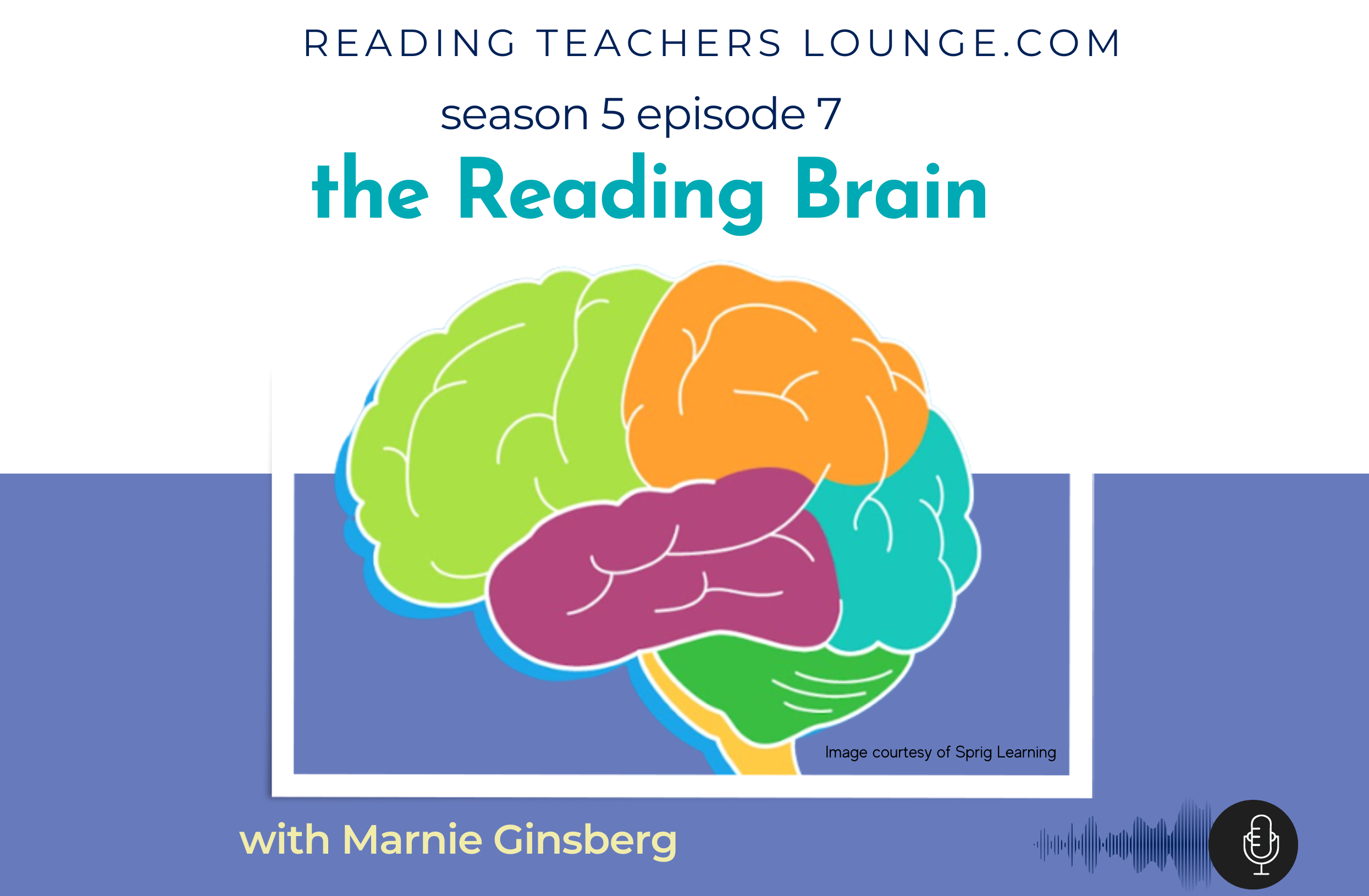
Shannon and Mary chat with Dr. Marnie Ginsberg from Reading Simplified about what happens in the brain during reading. We talk about the reader's journey to whole word recognition and how reading teachers can help their readers bolt on the orthography to what students already know in spoken language and language comprehension. Listeners will learn how to build a strong foundation for reading and how to help their students build flexible decoding strategies. Teachers will also hear examples of feedback to provide to readers in order to promote orthographic mapping. Check out this episode to learn all about how the brain learns to read.

Shannon and Mary ask Linda Rhyne to join them for a live Reading Teachers discussion about how to find balance in our reading instruction. Teachers are asked to follow various curriculum programs, teach the grade level standards, differentiate for their students' needs, and utilize their own expertise & experience. How can teachers blend all this together into cohesive literacy instruction that makes sense to students and themselves and balance what they're asked to do with what they know their students need to be successful in reading? All these points are brought up in the chat, and Linda shares some tips for how teachers can be critical consumers and advocates for their students in their individual school buildings. We hope this chat inspires you to think critically about your own teaching practice and instructional decisions.

Shannon and Mary chat with Mindful Teacher Rachel about the Schwa vowel sound and how to teach it to students. She shares great stories from her classroom about teaching reading and all about her newly published book that can be used to introduce the Schwa to readers. You'll want to listen in on this chat between reading teachers to get strategies and resources for working on the Schwa with your own reading students.

Shannon and Mary speak with consultant and literacy specialist Alison from Learning at the Primary Pond all about spelling tests and best practices in phonics instruction.

Mary describes the differences between Balanced Literacy vs. Structured Literacy. There have been a lot of comments and editorials in the last few weeks about the “phonics folks” from some prominent figures in the literacy world. Let’s break it down without any name-calling over here. We recommend structured, explicit, strong phonics-based approach to reading - just don’t throw the baby out with the bath water?!

Mary discusses a brief that has been put out by the International Literacy Association that shares information about how phonics instruction must be systematic and explicit as part of an overall efficient, effective, and timely reading curriculum.

This is the beginning of season 2! Shannon and Mary catch up about what they have been up to during the summer and how they're getting ready for the new school year.

Reading teachers talk with Jennifer Serravallo about teaching reading across the day using different structured models for responsive teaching. Many ideas are shared about how teachers can apply the art of teaching to set up their literacy blocks to best meet their students' needs.

Reading teachers chat with Anna Geiger, the Measured Mom, about the best evidence-based practices that teachers can use to reach all readers. Anna's new book provides teachers and parents with a consolidated understanding of the Science of Reading findings.

Wiley Blevins talks about the decisions and methods that go into differentiation. Also, Wiley shares insights from his coming book about adjustments that teachers can make before or during their lessons to better suit the learning levels of their students. Listen to this entire episode to get inspired about ways you can best meet your students' needs.

Experienced elementary reading teachers chat about the best instructional strategies and techniques teachers should use to help their students become fluent readers. They share details and stories about using decodable texts, getting students to use decoding strategies, focusing on phonics and phonemic awareness instruction, and fostering better student fluency and comprehension. Listen for tips and tricks to help your early elementary students find reading success.
In this episode, Deliberate Orthography, Shannon and Mary revisit Structured Word Inquiry (SWI) with guests Jennifer Petrich and Bradley Johnson to explore the intentional structure behind English spelling. Together, they discuss how SWI helps students understand word meaning, morphology, and etymology — moving beyond a phonics-only approach to a deeper, inquiry-based study of words.
Through real classroom experiences and collaborative learning, the conversation highlights how SWI empowers educators to teach spelling as a meaningful, logical system. Listeners will hear strategies for guiding students to analyze word structure, build scientific inquiry skills, and appreciate the rich history of the English language.
Join the discussion and discover how viewing spelling through the lens of deliberate orthography supports stronger literacy instruction and more confident readers, writers, and spellers.
Shannon and Mary open Season 8 of The Reading Teachers Lounge with stories and strategies every elementary reading teacher can use. They reflect on the podcast’s journey, share how a former student with dyslexia is thriving as he gets ready for college, and highlight practical ways to teach morphology and word study using Canva. The episode includes summer tutoring takeaways, phonics, and structured literacy strategies for struggling readers, and tips for balancing teaching with family life. Shannon and Mary also preview upcoming episodes packed with best practices from the science of reading, as well as opportunities for listeners to connect with other reading teachers through our exclusive bonus episodes.

Shannon and Mary chat about the recent debate in the science of reading community about whether phonemic awareness drills without letters are a worthwhile exercise for readers. They describe activities they've done with struggling readers to build phonemic awareness, and they talk about the use of those activities as a part of Tier 1 reading instruction.

Shannon describes some new ways she's helping her older elementary students learn how to encode and spell. Mary shares the SOS strategy for Spelling and explains the research about encoding and the brain processing that happens as students make spelling choices.

Shannon chats about the different strands of Scarborough's Reading Rope with Tess Kraft. They talk about all the many different skills that weave together into skilled reading and share ideas about transferring the science of reading into effective literacy instruction.

Shannon and Mary chat with literacy expert Wiley Blevins about the scope and sequence of phonics instruction. He describes his experience and the research behind the ordering of certain skills and shares practice tips & knowledge about teaching phonics in the classroom. He also details conceptual leaps that occur in readers as they advance their literacy development.

A reading teacher chats with Laura Stewart from (95 Percent Group) about bold moves that literacy leaders can take to transform the literacy practices in their learning communities. They share stories, strategies, and examples relating to successfully implementing best practices informed by the Science of Reading into schools and classrooms and what to do and not to do as a literacy leader. Listen and also download the recommended resources from the show notes to be empowered in your transformation efforts.

Reading teachers chat with Dr. Timothy Shanahan about how to quiet the noise within the literacy community and realize the MOST important things we should be doing for our learners according to the reading research. Listeners will find out what practices and activities they should prioritize to improve their students' reading achievement.

Dr. Pete Bowers shares an overview of Structured Word Inquiry (SWI) with reading teachers. They discuss how SWI transforms spelling and vocabulary into tools for deep thinking and understanding of the structure of the English language.

Reading teachers talk with @MindfulTeacherRachel to discuss strategies for helping their students strengthen spelling skills. They talk about the stability of English spelling and the meaning-based reasons for a word's spelling, beyond sound-symbol connections. Listeners will know what to look for in students' spelling errors and accuracies and walk away with fresh ideas for spelling instruction.
Reading Teachers talk with Droppin' Knowledge with Heidi about all the aspects that go into the topic of Word Knowledge. What are all the things students should know and understand about a word to demonstrate complete knowledge of that term? Listeners will gain more complete understanding of all the layers of skills within Word knowledge that we need to help our readers build.
Executive Functioning Episodes Playlist
This playlist explores the skills students need to plan, organize, focus, and manage their learning. Through expert insights and classroom strategies, these episodes demonstrate how executive functioning influences academic success across various subjects. You’ll find practical ideas and supportive approaches to help learners strengthen attention, self-regulation, and independence.

What are executive functioning skills? In this episode, we will tell you what executive functioning is and what executive functioning activities are best for your students!

Mary shares about a student she is working with who flies under the radar in his general education classroom. In this discussion, she poses the question "Who are kids who fly under the radar? How can we better address their needs?" This episode will engage listeners to consider their own students and reflect on who and why kids "fly under the radar."

Multisensory learning is something we have been preaching for a long time. It's time it deserved its own episode. Shannon and Mary discuss the importance of when and how to implement multi-sensory learning strategies.

Reading teachers chat about differentiation and the latest updates to the Ladder of Reading and Writing. Listeners will get a better understanding of WHY it's so important to make adjustments to curriculum, instruction, activities, and/or assessments in order to meet the various needs of their students.

Reading teachers chat about how to best support learners with working memory challenges. Listeners to this episode will walk away with increased awareness about which students may have working memory challenges AND strategies to help those students in reading instruction.
Wiley Blevins talks about the decisions and methods that go into differentiation. Also, Wiley shares insights from his coming book about adjustments that teachers can make before or during their lessons to better suit the learning levels of their students. Listen to this entire episode to get inspired about ways you can best meet your students' needs.

Reading teachers wrestle with understanding the nature of the comprehension process. They discuss ideas from the Blueprint for Reading Comprehension and Executive Skills and Comprehension to understand the different cognitive processes and executive functioning required for students to extract and construct meaning from texts.
Experienced elementary reading teachers chat about the best instructional strategies and techniques teachers should use to help their students become fluent readers. They share details and stories about using decodable texts, getting students to use decoding strategies, focusing on phonics and phonemic awareness instruction, and fostering better student fluency and comprehension. Listen for tips and tricks to help your early elementary students find reading success.

Reading teachers meet in a virtual reading teachers lounge to chat about the start of the school year. They recap their summer activities in both professional and personal lives, update the audience on the plans they're making for their reading students this school year, and preview what's coming next in Season 6 of the podcast.

Reading specialists chat with a third-grade teacher about how she balances the wide variety of reading abilities in her classroom. The teacher shares about her trauma-informed teaching practices and how she uses visual literacy to provide learning scaffolds for her students.

We talk with Dr. Douglas Fisher and Dr. Matt Strader about executive functioning in the classroom. They explore what executive functioning skills are, how daily school demands can overwhelm some learners, and why it’s essential for teachers and parents to understand these challenges. This episode offers practical wisdom for supporting executive function development. Listen now to transform your understanding and response to students who struggle with organization, attention, and task completion.
A reading teacher chats with Laura Stewart from (95 Percent Group) about bold moves that literacy leaders can take to transform the literacy practices in their learning communities. They share stories, strategies, and examples relating to successfully implementing best practices informed by the Science of Reading into schools and classrooms and what to do and not to do as a literacy leader. Listen and also download the recommended resources from the show notes to be empowered in your transformation efforts.
Reading teachers chat with Dr. Timothy Shanahan about how to quiet the noise within the literacy community and realize the MOST important things we should be doing for our learners according to the reading research. Listeners will find out what practices and activities they should prioritize to improve their students' reading achievement.
Dr. Pete Bowers shares an overview of Structured Word Inquiry (SWI) with reading teachers. They discuss how SWI transforms spelling and vocabulary into tools for deep thinking and understanding of the structure of the English language.

Reading teachers chat with Nancy Young to explore practical, evidence-based strategies for meeting the needs of gifted and high-achieving readers in the classroom. Whether you’re a classroom teacher, reading specialist, or literacy coach, this episode offers valuable tools and inspiration to elevate your elementary reading instruction and ensure all students—especially your strongest readers—are challenged and supported.

Reading teachers chat with Brandon Cardet-Hernadez from Mrs. Wordsmith about smart technology resources. They talk about intentional uses of technology resources for instructional purposes and what skills will be required as our students advance in the next part of the 21st century. Listeners will gain ideas for ways to incorporate technology to elevate students' learning.

Reading teachers chat about maximizing the learning impact of co-teaching. The conversation is centered around an article from Choice Literacy written by Franki Sibberson titled Aligning Curriculum with Struggling Readers in Mind. The article proposes that co-teachers must reflect and determine how their various teaching activities and strategies align into a cohesive instructional plan for the students, so that the readers can build transferable skills they can apply across the school-day.
Reading Teachers talk with Droppin' Knowledge with Heidi about all the aspects that go into the topic of Word Knowledge. What are all the things students should know and understand about a word to demonstrate complete knowledge of that term? Listeners will gain more complete understanding of all the layers of skills within Word knowledge that we need to help our readers build.

Reading Teachers catch up with each other after the summer & podcast break. They chat about their personal lives and their plans for this upcoming school year. They discuss the implementation of Georgia's dyslexia bill this year. They share about their professional reading and learning. And they fill listeners in on their summer activities. This new year is full of changes and possibilities!
Morphology Episodes Playlist
This playlist explores the meaningful components of words—prefixes, suffixes, bases, and roots—that contribute to the richness of language. Through expert conversations and classroom stories, these episodes show how morphology strengthens vocabulary, comprehension, and spelling. You’ll discover ways to help students see the logic of words and unlock a deeper understanding of the English language.

Shannon and Mary chat with Emily Conlan from @wordmorphed_ on Instagram about Morphology. Emily shows how and where Morphology fits into structured literacy instruction and the science of reading. Their discussion provides easy ways to strengthen students' word meaning knowledge at different grade and age levels of readers.

Reading teachers chat about best activities to build students' vocabularies. They share how their vocabulary instruction has evolved over the years to help students the most. In the chat, they reference ideas form Bringing Words to Life by Isabel Beck.

Reading teachers talk about English word histories and how etymology may inform how a word is spelled. Check out this discussion to get ideas for how to share the Scribal O, Latin Connective I, and other word origin stories with your reading students and help students see how important morphology is in addition to sound symbol connections.
Dr. Pete Bowers shares an overview of Structured Word Inquiry (SWI) with reading teachers. They discuss how SWI transforms spelling and vocabulary into tools for deep thinking and understanding of the structure of the English language.
Reading teachers talk with @MindfulTeacherRachel to discuss strategies for helping their students strengthen spelling skills. They talk about the stability of English spelling and the meaning-based reasons for a word's spelling, beyond sound-symbol connections. Listeners will know what to look for in students' spelling errors and accuracies and walk away with fresh ideas for spelling instruction.
Reading Teachers talk with Droppin' Knowledge with Heidi about all the aspects that go into the topic of Word Knowledge. What are all the things students should know and understand about a word to demonstrate complete knowledge of that term? Listeners will gain more complete understanding of all the layers of skills within Word knowledge that we need to help our readers build.
In this Season 8 finale, Shannon and Mary reflect on the school year and share updates from their work as reading tutors, literacy advocates, and parents. As many of their students move beyond foundational decoding skills, both educators discuss how they've incorporated sentence-composing into their structured literacy instruction after being inspired by Season 8 guest Sara Lee.
They explain how literature-based model sentences, scaffolded sentence imitation, and explicit language instruction help students strengthen syntax, comprehension, vocabulary, and writing skills. Shannon also shares how she uses English Linking Blocks and targeted word lists to provide multisensory language support during sentence work.
The conversation explores the growing role of morphology instruction in literacy intervention, including excitement about UFLI's upcoming structured morphology curriculum, Word Origins. Shannon and Mary also discuss Georgia's dyslexia screeners, Mary's recent professional learning in Structured Word Inquiry (SWI) through Word Torque, and the importance of supporting math development through number sense, fact fluency, subitizing, and conceptual understanding.
Join these reading teachers for a wide-ranging discussion on how their Science of Reading aligned practices continue to evolve to meet the needs of students.
In this episode, Deliberate Orthography, Shannon and Mary revisit Structured Word Inquiry (SWI) with guests Jennifer Petrich and Bradley Johnson to explore the intentional structure behind English spelling. Together, they discuss how SWI helps students understand word meaning, morphology, and etymology — moving beyond a phonics-only approach to a deeper, inquiry-based study of words.
Through real classroom experiences and collaborative learning, the conversation highlights how SWI empowers educators to teach spelling as a meaningful, logical system. Listeners will hear strategies for guiding students to analyze word structure, build scientific inquiry skills, and appreciate the rich history of the English language.
Join the discussion and discover how viewing spelling through the lens of deliberate orthography supports stronger literacy instruction and more confident readers, writers, and spellers.
Shannon and Mary open Season 8 of The Reading Teachers Lounge with stories and strategies every elementary reading teacher can use. They reflect on the podcast’s journey, share how a former student with dyslexia is thriving as he gets ready for college, and highlight practical ways to teach morphology and word study using Canva. The episode includes summer tutoring takeaways, phonics, and structured literacy strategies for struggling readers, and tips for balancing teaching with family life. Shannon and Mary also preview upcoming episodes packed with best practices from the science of reading, as well as opportunities for listeners to connect with other reading teachers through our exclusive bonus episodes.
Science of Reading Episodes Playlist
This playlist brings together episodes on the research that informs effective literacy instruction. From foundational reading skills to knowledge building and comprehension, these conversations connect evidence-based practices to real classroom application. You’ll find clarity, inspiration, and practical strategies to align your teaching with what we know works best for students.
Reading teachers chat about how to put the Science of Reading into Action. They summarize the big ideas within the Science of Reading for listeners and share practical actions teachers and parents can take to ensure they're doing best practices for students that are backed by literacy research. After listening, you'll understand more about WHAT the SoR is, WHY it is important, and HOW to put it in action, no matter your literacy role.
Reading teachers chat with Emily Gibbons from the Literacy Nest about decodable texts. This discussion provides information about how decodables are similar and different to trade books and leveled texts. In this episode, teachers will find out how and when to use decodable texts in reading instruction. Listeners will also learn the best sources for high quality decodable books and short texts.

Reading teachers chat about the Simple View of Reading and how that affected reading instruction in the 1980s and 1990s. Then they discuss how the research following the Simple View of Reading has shifted and become more defined. This conversation provides context to reading research over the last few decades and helps reading teachers understand how Science of Reading discoveries impact classroom instruction.
Reading teachers chat with Ann Geiger from The Measured Mom about how readers orthographically stores words in their reading brains. This episode follows our overview of the reading brain, where we talked about the reader's journey to whole word recognition and how reading teachers can help their readers bolt on the orthography to what students already know in spoken language and language comprehension. In this episode, teachers will learn about best practices to do in the classrooms to help their students gain this meaningful letter sequence storage.
Shannon and Mary chat with Dr. Marnie Ginsberg from Reading Simplified about what happens in the brain during reading. We talk about the reader's journey to whole word recognition and how reading teachers can help their readers bolt on the orthography to what students already know in spoken language and language comprehension. Listeners will learn how to build a strong foundation for reading and how to help their students build flexible decoding strategies. Teachers will also hear examples of feedback to provide to readers in order to promote orthographic mapping. Check out this episode to learn all about how the brain learns to read.
Shannon and Mary ask Linda Rhyne to join them for a live Reading Teachers discussion about how to find balance in our reading instruction. Teachers are asked to follow various curriculum programs, teach the grade level standards, differentiate for their students' needs, and utilize their own expertise & experience. How can teachers blend all this together into cohesive literacy instruction that makes sense to students and themselves and balance what they're asked to do with what they know their students need to be successful in reading? All these points are brought up in the chat, and Linda shares some tips for how teachers can be critical consumers and advocates for their students in their individual school buildings. We hope this chat inspires you to think critically about your own teaching practice and instructional decisions.
Shannon and Mary chat with Mindful Teacher Rachel about the Schwa vowel sound and how to teach it to students. She shares great stories from her classroom about teaching reading and all about her newly published book that can be used to introduce the Schwa to readers. You'll want to listen in on this chat between reading teachers to get strategies and resources for working on the Schwa with your own reading students.
In this Season 8 finale, Shannon and Mary reflect on the school year and share updates from their work as reading tutors, literacy advocates, and parents. As many of their students move beyond foundational decoding skills, both educators discuss how they've incorporated sentence-composing into their structured literacy instruction after being inspired by Season 8 guest Sara Lee.
They explain how literature-based model sentences, scaffolded sentence imitation, and explicit language instruction help students strengthen syntax, comprehension, vocabulary, and writing skills. Shannon also shares how she uses English Linking Blocks and targeted word lists to provide multisensory language support during sentence work.
The conversation explores the growing role of morphology instruction in literacy intervention, including excitement about UFLI's upcoming structured morphology curriculum, Word Origins. Shannon and Mary also discuss Georgia's dyslexia screeners, Mary's recent professional learning in Structured Word Inquiry (SWI) through Word Torque, and the importance of supporting math development through number sense, fact fluency, subitizing, and conceptual understanding.
Join these reading teachers for a wide-ranging discussion on how their Science of Reading aligned practices continue to evolve to meet the needs of students.
In this episode, Deliberate Orthography, Shannon and Mary revisit Structured Word Inquiry (SWI) with guests Jennifer Petrich and Bradley Johnson to explore the intentional structure behind English spelling. Together, they discuss how SWI helps students understand word meaning, morphology, and etymology — moving beyond a phonics-only approach to a deeper, inquiry-based study of words.
Through real classroom experiences and collaborative learning, the conversation highlights how SWI empowers educators to teach spelling as a meaningful, logical system. Listeners will hear strategies for guiding students to analyze word structure, build scientific inquiry skills, and appreciate the rich history of the English language.
Join the discussion and discover how viewing spelling through the lens of deliberate orthography supports stronger literacy instruction and more confident readers, writers, and spellers.
Shannon and Mary open Season 8 of The Reading Teachers Lounge with stories and strategies every elementary reading teacher can use. They reflect on the podcast’s journey, share how a former student with dyslexia is thriving as he gets ready for college, and highlight practical ways to teach morphology and word study using Canva. The episode includes summer tutoring takeaways, phonics, and structured literacy strategies for struggling readers, and tips for balancing teaching with family life. Shannon and Mary also preview upcoming episodes packed with best practices from the science of reading, as well as opportunities for listeners to connect with other reading teachers through our exclusive bonus episodes.
Reading teachers talk with Jennifer Serravallo about teaching reading across the day using different structured models for responsive teaching. Many ideas are shared about how teachers can apply the art of teaching to set up their literacy blocks to best meet their students' needs.
Reading teachers chat with Anna Geiger, the Measured Mom, about the best evidence-based practices that teachers can use to reach all readers. Anna's new book provides teachers and parents with a consolidated understanding of the Science of Reading findings.
Reading teachers chat about differentiation and the latest updates to the Ladder of Reading and Writing. Listeners will get a better understanding of WHY it's so important to make adjustments to curriculum, instruction, activities, and/or assessments in order to meet the various needs of their students.

Reading teachers talk about meaningful professional learning. Kelly Butler worked with the Barksdale Reading Institute to bring about systems change in reading instruction in the state of Mississippi over the last twenty years. Kelly and Carla share about a free resource they're working on now called Reading Universe, a site to learn about best practices in teaching reading.

Reading teachers discuss the book, The Knowledge Gap, by Natalie Wexler. This episode is full of information and strategies to increase your student's knowledge helping dive deep into comprehension and knowledge building.
Wiley Blevins talks about the decisions and methods that go into differentiation. Also, Wiley shares insights from his coming book about adjustments that teachers can make before or during their lessons to better suit the learning levels of their students. Listen to this entire episode to get inspired about ways you can best meet your students' needs.

Reading teachers chat about the power of effective reading instruction. They discuss the gifts we give our readers when we teach with intention. Listen to this episode to gain fresh ideas for enhancing your own reading instruction.

Reading teachers chat with Dr. Molly Ness about her new book Read Alouds for All Learners. Molly shares how teachers should intentionally plan their read alouds, with thought put into the vocabulary instruction, the purpose for reading, the think aloud process, and engagement and extension activities for students after reading. Listen to this episode for TONS of ideas from our guest about how to get the most learning out of your read aloud experiences.
Experienced elementary reading teachers chat about the best instructional strategies and techniques teachers should use to help their students become fluent readers. They share details and stories about using decodable texts, getting students to use decoding strategies, focusing on phonics and phonemic awareness instruction, and fostering better student fluency and comprehension. Listen for tips and tricks to help your early elementary students find reading success.

Reading teachers chat about the challenges facing older struggling readers. During the discussion, they explain how meeting students where they are IS rigorous and the right thing to do for our readers. They also share ideas for boosting student engagement and their favorite activities for upper grade reading intervention.
Reading teachers talk about English word histories and how etymology may inform how a word is spelled. Check out this discussion to get ideas for how to share the Scribal O, Latin Connective I, and other word origin stories with your reading students and help students see how important morphology is in addition to sound symbol connections.
Reading teachers meet in a virtual reading teachers lounge to chat about the start of the school year. They recap their summer activities in both professional and personal lives, update the audience on the plans they're making for their reading students this school year, and preview what's coming next in Season 6 of the podcast.
Shannon and Mary chat about the recent debate in the science of reading community about whether phonemic awareness drills without letters are a worthwhile exercise for readers. They describe activities they've done with struggling readers to build phonemic awareness, and they talk about the use of those activities as a part of Tier 1 reading instruction.
Shannon and Mary chat with Emily Conlan from @wordmorphed_ on Instagram about Morphology. Emily shows how and where Morphology fits into structured literacy instruction and the science of reading. Their discussion provides easy ways to strengthen students' word meaning knowledge at different grade and age levels of readers.
Shannon describes some new ways she's helping her older elementary students learn how to encode and spell. Mary shares the SOS strategy for Spelling and explains the research about encoding and the brain processing that happens as students make spelling choices.

Shannon and Mary discuss the revised Ladder of Reading and Writing that was recently updated by Nancy Young. [Note: Our podcast has explicit permission from Nancy Young to use her Ladder infographic image and information with our audience.] In this episode we compare the updates to the Ladder to its original form and discuss the changes and how they may impact literacy instruction.
Shannon chats about the different strands of Scarborough's Reading Rope with Tess Kraft. They talk about all the many different skills that weave together into skilled reading and share ideas about transferring the science of reading into effective literacy instruction.
Shannon and Mary chat with literacy expert Wiley Blevins about the scope and sequence of phonics instruction. He describes his experience and the research behind the ordering of certain skills and shares practice tips & knowledge about teaching phonics in the classroom. He also details conceptual leaps that occur in readers as they advance their literacy development.
We talk with Dr. Douglas Fisher and Dr. Matt Strader about executive functioning in the classroom. They explore what executive functioning skills are, how daily school demands can overwhelm some learners, and why it’s essential for teachers and parents to understand these challenges. This episode offers practical wisdom for supporting executive function development. Listen now to transform your understanding and response to students who struggle with organization, attention, and task completion.
A reading teacher chats with Laura Stewart from (95 Percent Group) about bold moves that literacy leaders can take to transform the literacy practices in their learning communities. They share stories, strategies, and examples relating to successfully implementing best practices informed by the Science of Reading into schools and classrooms and what to do and not to do as a literacy leader. Listen and also download the recommended resources from the show notes to be empowered in your transformation efforts.
Reading teachers chat with Dr. Timothy Shanahan about how to quiet the noise within the literacy community and realize the MOST important things we should be doing for our learners according to the reading research. Listeners will find out what practices and activities they should prioritize to improve their students' reading achievement.
Dr. Pete Bowers shares an overview of Structured Word Inquiry (SWI) with reading teachers. They discuss how SWI transforms spelling and vocabulary into tools for deep thinking and understanding of the structure of the English language.
Reading teachers chat with Nancy Young to explore practical, evidence-based strategies for meeting the needs of gifted and high-achieving readers in the classroom. Whether you’re a classroom teacher, reading specialist, or literacy coach, this episode offers valuable tools and inspiration to elevate your elementary reading instruction and ensure all students—especially your strongest readers—are challenged and supported.
Reading teachers chat with Brandon Cardet-Hernadez from Mrs. Wordsmith about smart technology resources. They talk about intentional uses of technology resources for instructional purposes and what skills will be required as our students advance in the next part of the 21st century. Listeners will gain ideas for ways to incorporate technology to elevate students' learning.
Reading teachers chat about maximizing the learning impact of co-teaching. The conversation is centered around an article from Choice Literacy written by Franki Sibberson titled Aligning Curriculum with Struggling Readers in Mind. The article proposes that co-teachers must reflect and determine how their various teaching activities and strategies align into a cohesive instructional plan for the students, so that the readers can build transferable skills they can apply across the school-day.
Reading Teachers talk with Droppin' Knowledge with Heidi about all the aspects that go into the topic of Word Knowledge. What are all the things students should know and understand about a word to demonstrate complete knowledge of that term? Listeners will gain more complete understanding of all the layers of skills within Word knowledge that we need to help our readers build.
Reading Teachers catch up with each other after the summer & podcast break. They chat about their personal lives and their plans for this upcoming school year. They discuss the implementation of Georgia's dyslexia bill this year. They share about their professional reading and learning. And they fill listeners in on their summer activities. This new year is full of changes and possibilities!
Dyslexia Episodes Playlist
This playlist sheds light on the experiences of learners with dyslexia and offers guidance on how to support them best. You’ll hear expert advice, classroom practices, and personal stories that deepen understanding of dyslexia’s impact on reading and learning. These episodes provide practical tools and encouraging perspectives to help every student build confidence and grow as a reader.
What are executive functioning skills? In this episode, we will tell you what executive functioning is and what executive functioning activities are best for your students!

Two reading teachers talk about struggling readers in kindergarten, first, second, and third grade and the best coping mechanisms for struggling elementary readers.

Today in the reading teachers' lounge, we discuss dyslexic tendencies, dyslexia-friendly classroom activities, and more concerning the ins and outs of dyslexia. Join us on our journey to deepen your understanding of dyslexia.

In this episode of the reading teachers lounge two reading teachers discuss different types of learning disabilities and activities to accommodate such learning struggles.
Shannon and Mary chat about the recent debate in the science of reading community about whether phonemic awareness drills without letters are a worthwhile exercise for readers. They describe activities they've done with struggling readers to build phonemic awareness, and they talk about the use of those activities as a part of Tier 1 reading instruction.
Shannon describes some new ways she's helping her older elementary students learn how to encode and spell. Mary shares the SOS strategy for Spelling and explains the research about encoding and the brain processing that happens as students make spelling choices.
Shannon and Mary discuss the revised Ladder of Reading and Writing that was recently updated by Nancy Young. [Note: Our podcast has explicit permission from Nancy Young to use her Ladder infographic image and information with our audience.] In this episode we compare the updates to the Ladder to its original form and discuss the changes and how they may impact literacy instruction.
Shannon chats about the different strands of Scarborough's Reading Rope with Tess Kraft. They talk about all the many different skills that weave together into skilled reading and share ideas about transferring the science of reading into effective literacy instruction.
Shannon and Mary chat with literacy expert Wiley Blevins about the scope and sequence of phonics instruction. He describes his experience and the research behind the ordering of certain skills and shares practice tips & knowledge about teaching phonics in the classroom. He also details conceptual leaps that occur in readers as they advance their literacy development.
Reading teachers talk with Jennifer Serravallo about teaching reading across the day using different structured models for responsive teaching. Many ideas are shared about how teachers can apply the art of teaching to set up their literacy blocks to best meet their students' needs.
Reading teachers chat with Anna Geiger, the Measured Mom, about the best evidence-based practices that teachers can use to reach all readers. Anna's new book provides teachers and parents with a consolidated understanding of the Science of Reading findings.
Reading teachers chat about differentiation and the latest updates to the Ladder of Reading and Writing. Listeners will get a better understanding of WHY it's so important to make adjustments to curriculum, instruction, activities, and/or assessments in order to meet the various needs of their students.
Reading teachers chat about how to best support learners with working memory challenges. Listeners to this episode will walk away with increased awareness about which students may have working memory challenges AND strategies to help those students in reading instruction.
Wiley Blevins talks about the decisions and methods that go into differentiation. Also, Wiley shares insights from his coming book about adjustments that teachers can make before or during their lessons to better suit the learning levels of their students. Listen to this entire episode to get inspired about ways you can best meet your students' needs.
Reading teachers wrestle with understanding the nature of the comprehension process. They discuss ideas from the Blueprint for Reading Comprehension and Executive Skills and Comprehension to understand the different cognitive processes and executive functioning required for students to extract and construct meaning from texts.
Reading teachers meet in a virtual reading teachers lounge to chat about the start of the school year. They recap their summer activities in both professional and personal lives, update the audience on the plans they're making for their reading students this school year, and preview what's coming next in Season 6 of the podcast.

Are you familiar with the FCRR? They have done incredible work making free effective research-based literacy activities. The centers include directions for teachers and all the necessary materials. They are mostly print-and-go activities requiring minimal teacher prep!
Mary discusses a brief that has been put out by the International Literacy Association that shares information about how phonics instruction must be systematic and explicit as part of an overall efficient, effective, and timely reading curriculum.
Reading teachers chat about how to put the Science of Reading into Action. They summarize the big ideas within the Science of Reading for listeners and share practical actions teachers and parents can take to ensure they're doing best practices for students that are backed by literacy research. After listening, you'll understand more about WHAT the SoR is, WHY it is important, and HOW to put it in action, no matter your literacy role.
Reading specialists chat with a third-grade teacher about how she balances the wide variety of reading abilities in her classroom. The teacher shares about her trauma-informed teaching practices and how she uses visual literacy to provide learning scaffolds for her students.

Reading teachers about the topic of helping students build their reading fluency. They talk about what skills go into a student's reading fluency. They share ways to work on fluency with readers. In their chat, they reference ideas from The Megabook of Fluency by Timothy Rasinski.
Reading teachers chat with Emily Gibbons from the Literacy Nest about decodable texts. This discussion provides information about how decodables are similar and different to trade books and leveled texts. In this episode, teachers will find out how and when to use decodable texts in reading instruction. Listeners will also learn the best sources for high quality decodable books and short texts.
Reading teachers chat with Ann Geiger from The Measured Mom about how readers orthographically stores words in their reading brains. This episode follows our overview of the reading brain, where we talked about the reader's journey to whole word recognition and how reading teachers can help their readers bolt on the orthography to what students already know in spoken language and language comprehension. In this episode, teachers will learn about best practices to do in the classrooms to help their students gain this meaningful letter sequence storage.
Shannon and Mary chat with Dr. Marnie Ginsberg from Reading Simplified about what happens in the brain during reading. We talk about the reader's journey to whole word recognition and how reading teachers can help their readers bolt on the orthography to what students already know in spoken language and language comprehension. Listeners will learn how to build a strong foundation for reading and how to help their students build flexible decoding strategies. Teachers will also hear examples of feedback to provide to readers in order to promote orthographic mapping. Check out this episode to learn all about how the brain learns to read.
In this Season 8 finale, Shannon and Mary reflect on the school year and share updates from their work as reading tutors, literacy advocates, and parents. As many of their students move beyond foundational decoding skills, both educators discuss how they've incorporated sentence-composing into their structured literacy instruction after being inspired by Season 8 guest Sara Lee.
They explain how literature-based model sentences, scaffolded sentence imitation, and explicit language instruction help students strengthen syntax, comprehension, vocabulary, and writing skills. Shannon also shares how she uses English Linking Blocks and targeted word lists to provide multisensory language support during sentence work.
The conversation explores the growing role of morphology instruction in literacy intervention, including excitement about UFLI's upcoming structured morphology curriculum, Word Origins. Shannon and Mary also discuss Georgia's dyslexia screeners, Mary's recent professional learning in Structured Word Inquiry (SWI) through Word Torque, and the importance of supporting math development through number sense, fact fluency, subitizing, and conceptual understanding.
Join these reading teachers for a wide-ranging discussion on how their Science of Reading aligned practices continue to evolve to meet the needs of students.
In this episode, Deliberate Orthography, Shannon and Mary revisit Structured Word Inquiry (SWI) with guests Jennifer Petrich and Bradley Johnson to explore the intentional structure behind English spelling. Together, they discuss how SWI helps students understand word meaning, morphology, and etymology — moving beyond a phonics-only approach to a deeper, inquiry-based study of words.
Through real classroom experiences and collaborative learning, the conversation highlights how SWI empowers educators to teach spelling as a meaningful, logical system. Listeners will hear strategies for guiding students to analyze word structure, build scientific inquiry skills, and appreciate the rich history of the English language.
Join the discussion and discover how viewing spelling through the lens of deliberate orthography supports stronger literacy instruction and more confident readers, writers, and spellers.
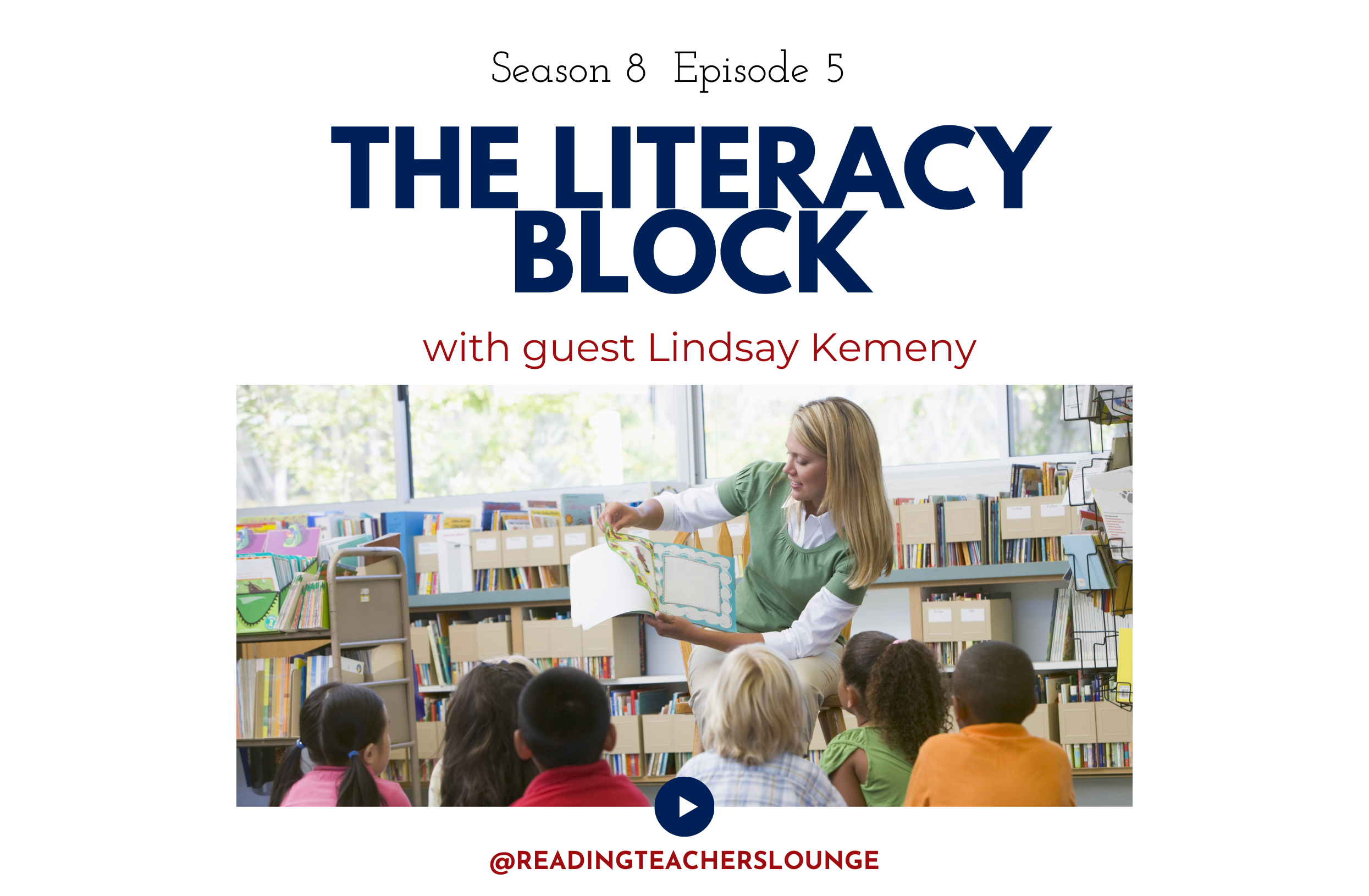
In this episode, Mary and Shannon welcome back first-grade teacher and literacy expert Lindsay Kemeny to discuss her new book, Rock Your Literacy Block. Lindsay shares practical, data-driven strategies for structuring an effective literacy block, emphasizing clear routines, smooth transitions, and frequent student responses. She also reflects on how her son’s dyslexia reshaped her approach to teaching. Listeners will hear actionable tips for phonics, spelling, high-frequency words, and ways to integrate science and social studies into daily literacy instruction.
English Language Learners Episodes Playlist
This playlist brings together episodes focused on supporting multilingual learners as they develop both language and literacy skills. You’ll find strategies for making instruction more accessible, insights on building background knowledge and vocabulary, and stories from classrooms that celebrate the strengths ELL students bring. These conversations highlight practical ways educators can create inclusive learning environments where every student has the opportunity to succeed.
Shannon and Mary chat with Emily Conlan from @wordmorphed_ on Instagram about Morphology. Emily shows how and where Morphology fits into structured literacy instruction and the science of reading. Their discussion provides easy ways to strengthen students' word meaning knowledge at different grade and age levels of readers.
Shannon describes some new ways she's helping her older elementary students learn how to encode and spell. Mary shares the SOS strategy for Spelling and explains the research about encoding and the brain processing that happens as students make spelling choices.

Shannon and Mary chat with LaMonica Williams, Director of Programs for Teaching Matters, about how to support reading teachers and their students through intensive coaching and literacy training.
Shannon and Mary chat with literacy expert Wiley Blevins about the scope and sequence of phonics instruction. He describes his experience and the research behind the ordering of certain skills and shares practice tips & knowledge about teaching phonics in the classroom. He also details conceptual leaps that occur in readers as they advance their literacy development.
Reading specialists chat with a third-grade teacher about how she balances the wide variety of reading abilities in her classroom. The teacher shares about her trauma-informed teaching practices and how she uses visual literacy to provide learning scaffolds for her students.

Literacy teachers read over and discuss the Speaking and Listening standards in Reading to develop a deeper understanding of how and why these standards exist and help the students grow in literacy. They show how the standards develop in the depth of knowledge across the grade levels from Kindergarten to Fifth Grade. They also share ideas of ways to embed Speaking and Listening standards practice in classroom routines and project-based learning.
Reading teachers chat about best activities to build students' vocabularies. They share how their vocabulary instruction has evolved over the years to help students the most. In the chat, they reference ideas form Bringing Words to Life by Isabel Beck.

Mary and Shannon chat with Stephaney Jones-Vo about how to best support the reading needs of English Language Learners. Stephaney describes the differences in needs of ESOL students at various levels and provides easy ideas for differentiation and scaffolding for students at different levels. Stephaney shares how to understand the language load of class assignments and assessments, and this lens will help teachers view their own learning assignments in a fresh and supportive way.
Reading teachers chat with Anna Geiger, the Measured Mom, about the best evidence-based practices that teachers can use to reach all readers. Anna's new book provides teachers and parents with a consolidated understanding of the Science of Reading findings.

Reading teachers chat with a speech therapist about the overlaps between speech, reading, and language. From this episode, teachers can understand the perspective of a speech therapist to better understand speech and language challenges. After listening, you should walk away with ideas about conversations to have with the speech therapist in your building and an awareness of language challenges your students may face within your curriculum.
Reading teachers discuss the book, The Knowledge Gap, by Natalie Wexler. This episode is full of information and strategies to increase your student's knowledge helping dive deep into comprehension and knowledge building.
Reading teachers chat about the challenges facing older struggling readers. During the discussion, they explain how meeting students where they are IS rigorous and the right thing to do for our readers. They also share ideas for boosting student engagement and their favorite activities for upper grade reading intervention.
Reading teachers talk about English word histories and how etymology may inform how a word is spelled. Check out this discussion to get ideas for how to share the Scribal O, Latin Connective I, and other word origin stories with your reading students and help students see how important morphology is in addition to sound symbol connections.

Shannon and Mary open the season with a discussion about the importance of books to represent the diversity of our students giving them an opportunity to see themselves in books and opportunities to view other cultures, family structures, and values.

We talk with Dr. Katie Pace-Miles about how schools in the U.S. support struggling readers through Multi-Tiered Systems of Support (MTSS) framework and Response to Intervention (RTI). Listen and learn how to implement effective interventions, identify high-quality instructional resources, and run efficient team meetings. This episode is a valuable resource for educators looking to improve reading outcomes and streamline intervention practices.

We speak with Dr. Jeannette Mancilla-Martinez about how to support Multi-language Learners (MLLs) in the classroom. This episode defines MLLs, outlines key stages of language development, explores the daily language demands these students face, and shares evidence-based strategies and best practices for educators.
Dr. Pete Bowers shares an overview of Structured Word Inquiry (SWI) with reading teachers. They discuss how SWI transforms spelling and vocabulary into tools for deep thinking and understanding of the structure of the English language.
Reading teachers chat about maximizing the learning impact of co-teaching. The conversation is centered around an article from Choice Literacy written by Franki Sibberson titled Aligning Curriculum with Struggling Readers in Mind. The article proposes that co-teachers must reflect and determine how their various teaching activities and strategies align into a cohesive instructional plan for the students, so that the readers can build transferable skills they can apply across the school-day.
Reading teachers talk with @MindfulTeacherRachel to discuss strategies for helping their students strengthen spelling skills. They talk about the stability of English spelling and the meaning-based reasons for a word's spelling, beyond sound-symbol connections. Listeners will know what to look for in students' spelling errors and accuracies and walk away with fresh ideas for spelling instruction.
Reading Teachers talk with Droppin' Knowledge with Heidi about all the aspects that go into the topic of Word Knowledge. What are all the things students should know and understand about a word to demonstrate complete knowledge of that term? Listeners will gain more complete understanding of all the layers of skills within Word knowledge that we need to help our readers build.

Reading teachers welcome Marty Martinez from Reach Out and Read and Judy Newman from Scholastic to the podcast to talk about Book Equity. They share ideas for getting quality books in students' hands and nurturing students' reading diversity. Listen how parents and teachers can share a love for books with children and help readers find texts with diverse representation.
Spelling Episodes Playlist
This playlist showcases how spelling is more than mere memorization—it’s a window into how the English language works. These episodes explore practical strategies for teaching spelling, connecting it to reading and writing, and supporting students who struggle with this skill. You’ll gain practical tools and insights to help learners understand word patterns, build accuracy, and grow as confident writers.
We share some of the unexpected phonics lessons that students need that aren't always obvious in the curriculum guides. These important and necessary phonics lessons are essential in phonics instruction.
Shannon and Mary discuss a professional article, "Why Phonics Teaching Must Change" published in Educational Leadership, September 2008 by Jeannine Herron. They talk about a different approach to teaching students to read. What if we focus more on encoding activities rather than starting with decoding activities?

Shannon and Mary share a multitude of ways to increase practice for your students as they learn sight words.

Two experienced reading specialists share practical assessment tools they use to measure their students' decoding skills
Shannon and Mary chat about the recent debate in the science of reading community about whether phonemic awareness drills without letters are a worthwhile exercise for readers. They describe activities they've done with struggling readers to build phonemic awareness, and they talk about the use of those activities as a part of Tier 1 reading instruction.
Shannon describes some new ways she's helping her older elementary students learn how to encode and spell. Mary shares the SOS strategy for Spelling and explains the research about encoding and the brain processing that happens as students make spelling choices.
Shannon and Mary discuss the revised Ladder of Reading and Writing that was recently updated by Nancy Young. [Note: Our podcast has explicit permission from Nancy Young to use her Ladder infographic image and information with our audience.] In this episode we compare the updates to the Ladder to its original form and discuss the changes and how they may impact literacy instruction.
Shannon chats about the different strands of Scarborough's Reading Rope with Tess Kraft. They talk about all the many different skills that weave together into skilled reading and share ideas about transferring the science of reading into effective literacy instruction.
Shannon and Mary chat with literacy expert Wiley Blevins about the scope and sequence of phonics instruction. He describes his experience and the research behind the ordering of certain skills and shares practice tips & knowledge about teaching phonics in the classroom. He also details conceptual leaps that occur in readers as they advance their literacy development.
Dr. Pete Bowers shares an overview of Structured Word Inquiry (SWI) with reading teachers. They discuss how SWI transforms spelling and vocabulary into tools for deep thinking and understanding of the structure of the English language.
Reading teachers talk with @MindfulTeacherRachel to discuss strategies for helping their students strengthen spelling skills. They talk about the stability of English spelling and the meaning-based reasons for a word's spelling, beyond sound-symbol connections. Listeners will know what to look for in students' spelling errors and accuracies and walk away with fresh ideas for spelling instruction.
Reading Teachers talk with Droppin' Knowledge with Heidi about all the aspects that go into the topic of Word Knowledge. What are all the things students should know and understand about a word to demonstrate complete knowledge of that term? Listeners will gain more complete understanding of all the layers of skills within Word knowledge that we need to help our readers build.
Wiley Blevins talks about the decisions and methods that go into differentiation. Also, Wiley shares insights from his coming book about adjustments that teachers can make before or during their lessons to better suit the learning levels of their students. Listen to this entire episode to get inspired about ways you can best meet your students' needs.
Experienced elementary reading teachers chat about the best instructional strategies and techniques teachers should use to help their students become fluent readers. They share details and stories about using decodable texts, getting students to use decoding strategies, focusing on phonics and phonemic awareness instruction, and fostering better student fluency and comprehension. Listen for tips and tricks to help your early elementary students find reading success.

Reading teachers talk about why they love student mistakes. They share how to make mistakes meaningful. They chat about establishing a trusting relationship with students so they're comfortable showing us mistakes. Lastly, they discuss ways to provide student feedback without inducing shame. Learning happens between the lessons, and in this episode, you'll find concrete ideas for what to do and say each day with your students to promote a growth mindset and engagement in learning.
Reading teachers talk about English word histories and how etymology may inform how a word is spelled. Check out this discussion to get ideas for how to share the Scribal O, Latin Connective I, and other word origin stories with your reading students and help students see how important morphology is in addition to sound symbol connections.
In this episode, Deliberate Orthography, Shannon and Mary revisit Structured Word Inquiry (SWI) with guests Jennifer Petrich and Bradley Johnson to explore the intentional structure behind English spelling. Together, they discuss how SWI helps students understand word meaning, morphology, and etymology — moving beyond a phonics-only approach to a deeper, inquiry-based study of words.
Through real classroom experiences and collaborative learning, the conversation highlights how SWI empowers educators to teach spelling as a meaningful, logical system. Listeners will hear strategies for guiding students to analyze word structure, build scientific inquiry skills, and appreciate the rich history of the English language.
Join the discussion and discover how viewing spelling through the lens of deliberate orthography supports stronger literacy instruction and more confident readers, writers, and spellers.
In this episode, Mary and Shannon welcome back first-grade teacher and literacy expert Lindsay Kemeny to discuss her new book, Rock Your Literacy Block. Lindsay shares practical, data-driven strategies for structuring an effective literacy block, emphasizing clear routines, smooth transitions, and frequent student responses. She also reflects on how her son’s dyslexia reshaped her approach to teaching. Listeners will hear actionable tips for phonics, spelling, high-frequency words, and ways to integrate science and social studies into daily literacy instruction.
Are you familiar with the FCRR? They have done incredible work making free effective research-based literacy activities. The centers include directions for teachers and all the necessary materials. They are mostly print-and-go activities requiring minimal teacher prep!
Shannon and Mary speak with consultant and literacy specialist Alison from Learning at the Primary Pond all about spelling tests and best practices in phonics instruction.
Reading teachers chat about how to put the Science of Reading into Action. They summarize the big ideas within the Science of Reading for listeners and share practical actions teachers and parents can take to ensure they're doing best practices for students that are backed by literacy research. After listening, you'll understand more about WHAT the SoR is, WHY it is important, and HOW to put it in action, no matter your literacy role.

Reading teachers chat with Jamie Sears from Not So Wimpy Teacher about how to get more done as a reading teacher in less time. Jamie shares practical tips for teachers from her newly published book titled How to Love Teaching Again. Listeners will walk away with ideas on how to save time in preparing lesson plans, routines for lesson structure, easy grading techniques, and ways to simplify reading groups. Check out this episode to find out how to make your jobs as reading teachers easier and more enjoyable!
Reading teachers chat with Emily Gibbons from the Literacy Nest about decodable texts. This discussion provides information about how decodables are similar and different to trade books and leveled texts. In this episode, teachers will find out how and when to use decodable texts in reading instruction. Listeners will also learn the best sources for high quality decodable books and short texts.
Reading teachers chat with Ann Geiger from The Measured Mom about how readers orthographically stores words in their reading brains. This episode follows our overview of the reading brain, where we talked about the reader's journey to whole word recognition and how reading teachers can help their readers bolt on the orthography to what students already know in spoken language and language comprehension. In this episode, teachers will learn about best practices to do in the classrooms to help their students gain this meaningful letter sequence storage.
Shannon and Mary chat with Dr. Marnie Ginsberg from Reading Simplified about what happens in the brain during reading. We talk about the reader's journey to whole word recognition and how reading teachers can help their readers bolt on the orthography to what students already know in spoken language and language comprehension. Listeners will learn how to build a strong foundation for reading and how to help their students build flexible decoding strategies. Teachers will also hear examples of feedback to provide to readers in order to promote orthographic mapping. Check out this episode to learn all about how the brain learns to read.
Shannon and Mary ask Linda Rhyne to join them for a live Reading Teachers discussion about how to find balance in our reading instruction. Teachers are asked to follow various curriculum programs, teach the grade level standards, differentiate for their students' needs, and utilize their own expertise & experience. How can teachers blend all this together into cohesive literacy instruction that makes sense to students and themselves and balance what they're asked to do with what they know their students need to be successful in reading? All these points are brought up in the chat, and Linda shares some tips for how teachers can be critical consumers and advocates for their students in their individual school buildings. We hope this chat inspires you to think critically about your own teaching practice and instructional decisions.
Shannon and Mary chat with Mindful Teacher Rachel about the Schwa vowel sound and how to teach it to students. She shares great stories from her classroom about teaching reading and all about her newly published book that can be used to introduce the Schwa to readers. You'll want to listen in on this chat between reading teachers to get strategies and resources for working on the Schwa with your own reading students.
Page in Progress.
〰️
Send us suggestions for future playlists.
〰️
Page in Progress. 〰️ Send us suggestions for future playlists. 〰️
Contact us.
readingteacherslounge@gmail.com
team@readingteacherslounge.com
Atlanta, GA
Are you ready for summer? We can't wait to play with our kids! Mary and Shannon have compiled some resources for hands-on summer play to practice important reading skills outside of the classroom.